
Event Agency vs Event Production Company
The practical difference between an event agency and a production company—and how to decide which operating model your brief needs.
Reviewed by Upshot Concept · Last updated 26 July 2026
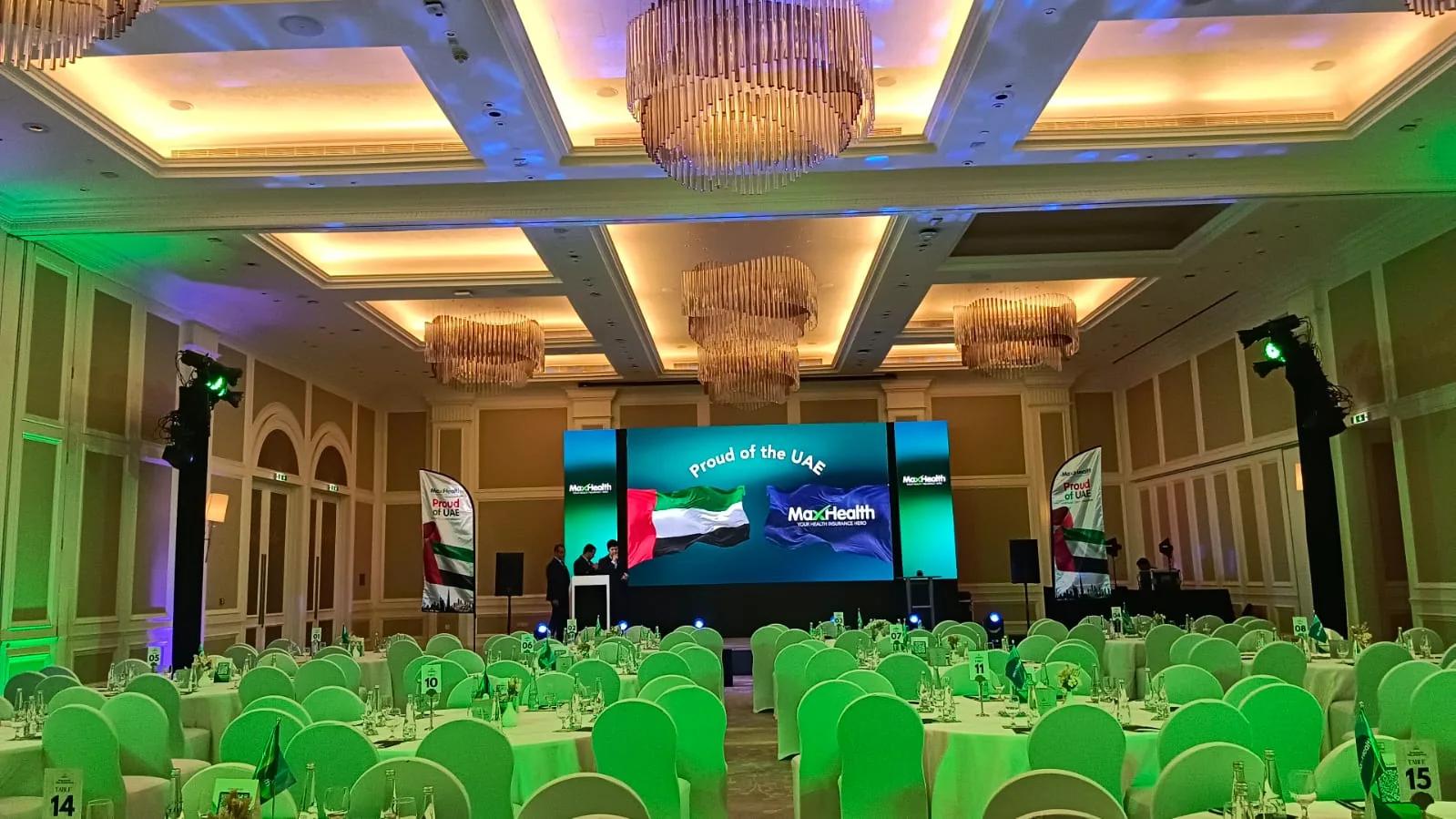
The distinction is about responsibility
An event agency often leads concept, communication, guest experience and programme coordination. An event production company turns an approved direction into the technical, scenic and operational system that will run live.
Those definitions overlap in practice. The useful question is not what a supplier calls itself, but which decisions it owns and who remains accountable when creative, technical and venue requirements meet.
When an event agency is the right lead
An agency-led model can suit briefs where campaign thinking, audience communication, content development, guest management and brand activation are central. The agency may then appoint production specialists to realise the approved direction.
The client should still confirm how production decisions are integrated. Creative approval without early technical review can create cost, access or feasibility problems later.
When a production company is the right lead
A production-led engagement is useful when the format is technically demanding, the client or agency already has an approved direction, or the principal risk lies in staging, AV, content playback, rehearsals and live show control.
The production company should define technical scope, source specialist systems, manage installation, coordinate rehearsals and run the live cue structure. It should not quietly assume responsibility for strategy or content that sits outside the agreed scope.
Full-service and production-only models
Some partners offer both. In a full-service model, concept, event planning and production sit within one responsibility map. In a production-only model, the client or appointed agency supplies the approved direction and the production team manages execution.
Both can work. Problems arise when the boundary is assumed rather than written down. The scope should identify approvals, deliverables, dependencies and who has authority during the live event.
Questions to ask before appointment
Ask who owns the production schedule, who checks venue constraints, who sources specialist equipment, who receives final content, who runs rehearsals and who calls the show. Also ask how changes are approved and costed.
A credible answer will describe a working system, not only a list of services. Choose the model that closes the important responsibility gaps in your brief.